
BIM and Sustainable Design: A Review of Strategies and Tools for Green Building Practices


(This article belongs to the Section Civil Engineering (CVE))
Export Citations
Cite
Numan, M. , Saadat, U. and Farooq, M. U. (2024). BIM and Sustainable Design: A Review of Strategies and Tools for Green Building Practices. Journal of Engineering Research and Sciences, 3(2), 1–7. https://doi.org/10.55708/js0302001
Muhammad Numan, Usama Saadat and Muhammad Usman Farooq. "BIM and Sustainable Design: A Review of Strategies and Tools for Green Building Practices." Journal of Engineering Research and Sciences 3, no. 2 (February 2024): 1–7. https://doi.org/10.55708/js0302001
M. Numan, U. Saadat and M.U. Farooq, "BIM and Sustainable Design: A Review of Strategies and Tools for Green Building Practices," Journal of Engineering Research and Sciences, vol. 3, no. 2, pp. 1–7, Feb. 2024, doi: 10.55708/js0302001.
Building Information Modeling (BIM) provides a robust foundation for driving sustainability across architecture, engineering and construction (AEC) practices. This paper presents a systematic review of literature elucidating the confluence of BIM tools and processes with accelerated performance simulations and green building certification systems needed to guide environmentally sensitive design. Integrated Revit-Insight 360 is shown to enable 21% lower energy use intensity (EUI) and 8.5% reduced lifecycle costs over baseline for an office building through rapid multi-objective optimization spanning orientation, envelope and HVAC properties. Enhanced integrated platforms perform detailed thermal zoning analysis capturing realistic solar gains and heat storage effects, right-sizing heating equipment by 7.2% over conventional workflows. Further, BIM automation mitigates nearly 50-80% of manual calculations for BEAM Plus, LEED prerequisites and accelerates documentation for certification. However, interoperability issues inhibiting holistic sustainability evaluations persist due to lack of modeling standards. Emerging tools exemplify modular green assessment connecting multi-vendor engines to resolve underlying technical barriers. As BIM object definitions and seamless analytical integration matures, widespread mainstreaming for sustainability is foreseeable. While current measured metrics revolve around energy use, emissions and green certification, future work needs to address social and economic indicators also enabled by data-rich BIMs. Nevertheless, coupled with continuous monitoring for validation, BIM provides the foundation for the AEC industry to progress towards comprehensive sustainable building lifecycles.
1. Introduction
Sustainable and green building design has become a strategic priority to mitigate the negative environmental impacts of the building sector. Buildings are responsible for nearly 40% of global energy usage and one third of greenhouse gas emissions annually [1]. As sustainability concerns come to the forefront, there is a paradigm shift in the architecture, engineering and construction (AEC) industry towards holistic building life cycle assessment and integrating resource efficiency across design, construction and operations [2]. To enable buildings to meet sustainability goals, there is growing emphasis on data-driven decision making in early design stages [3].
Building Information Modelling (BIM) has demonstrated immense potential to be the foundation for performing robust sustainability analyses. BIM encompasses the processes and technologies to digitally represent physical and functional characteristics of any built facility across its life cycle [4]. High fidelity BIM models can capture detailed intelligence spanning building geometry, spatial relationships, geographic information, properties of construction materials, as well as project life cycle data in an integrated way [5]. With rich information embedded into semantic BIM objects, multifaceted evaluations can be performed to predict and optimize sustainability performance [6].
The combined strengths of BIM and building performance analysis tools can lead to better informed decisions aligned with green building certification standards. For example, Autodesk Revit allows rapid energy modelling with Insight 360 to study impacts of design variables including building massing, HVAC zoning, daylighting strategies etc. in iterative fashion [7]. This facilitates data-driven decisions rather than intuitive judgments for greener outcomes. Similar energy simulation abilities have been demonstrated using integrated BIM platforms from vendors like Bentley and Graphisoft through gbXML schemas [8]. Additionally, using quantities tracked within BIM models streamlines the otherwise cumbersome process of documentation for LEED or Green Globes certification [9].
However, sustainability considerations are often an afterthought and BIM capabilities remain underutilized during design stages due to interoperability issues, lack of expertise, higher upfront costs and other barriers [10,11]. As integration between BIM tools and whole building energy/life cycle assessment applications mature, several of these gaps are beginning to narrow. This paper examines the current state of research and practice at the nexus of BIM and sustainable building with emphasis on workflows, analytics, rating systems and implementation case studies. The collective insights pave the path forward for the AEC industry to leverage BIM’s data-rich foundation in achieving true sustainability from conception to occupancy.
2. Literature Review
Several studies have investigated BIM applications for energy modelling and simulation to enable data-driven sustainable design. In [12], the authors demonstrated a multi-objective optimization framework leveraging integrated Revit-Insight 360 to assess tradeoffs between cost, energy use and LEED criteria at early stage. Design variants spanning building orientation, wall assemblies, glazing and HVAC systems were rapidly generated and analysed to identify energy-efficient solutions aligning with certification goals. Measured outcomes included return on investment, life cycle cost, annual energy consumption, carbon emissions and targeted LEED credits.
In [13], the researchers established an interoperable workflow connecting Revit, IES VE (Virtual Environment) and Modelica for coupled energy-exergy analyses. The prototyped simulation environment enabled holistic evaluation of building geometry, orientation, construction, HVAC components and control logic on thermal performance. Assessed output metrics spanned heating/cooling loads, air flow rates, exergy destruction and thermal comfort within occupied zones. The integration of BIM-based modelling and simulation tools was shown to create digital environments for sustainable building design.
In [14], the authors reviewed various BIM applications throughout the building lifecycle pertinent to sustainability practices. Quantified metrics compiled from multiple sources highlight that BIM use led to reduced material waste generation (50-80%) during construction and curtailed lifecycle energy consumption (13-23%) from facility operations. Other benefits included higher achievement of green certification credits, along with shortened project durations and cost savings that recoup initial investments in BIM.
While these case-based analyses demonstrate BIM’s potential, In [15] the author, note that model integrity and analytical accuracy is strongly tied to user expertise [15]. A critical review by author [16] also highlights the lack of standards in BIM-based sustainability assessment as a barrier to widespread adoption [16]. As tools mature and data exchange protocols stabilize, BIM is poised to drive sustainability gains across building industry practices.
3. Methodology
This paper aims to systematically review current literature on Building Information Modelling tools, techniques and workflows applied to further sustainability in building design and construction. A comprehensive review is undertaken to synthesize reported findings, critically assess implementation challenges and provide future outlook of this domain.
3.1. Review scope and keywords
Seminal and recent research articles related to application of BIM for sustainable building practices were searched across engineering and architectural databases including ASCE Library, Engineering Village and Scopus. Boolean search string comprising relevant terms and variants associated with “BIM”, “green building”, “sustainability”, “energy analysis”, “life cycle assessment” etc. were input for article identification [17,18]. Target subjects of interest encompassed BIM-based sustainability assessments, energy modelling, green building certification and life cycle studies applied in early building design stages as well as broader project lifecycles [19].
3.2. Article Selection Criteria
Peer-reviewed conference papers, journal articles, and funded research reports published over the past decade were considered. The inclusion criteria accounted for clear description of sustainability analysis methodologies, BIM workflows, measured environmental impact metrics, and performance outcomes aligned to research objectives [20, 21]. Articles reporting validation studies, reviews or critical appraisals of BIM uses for sustainability were included as relevant references [22]. Book chapters, product manufacturer whitepapers and papers covering narrow technical building simulations absent sustainability context were excluded [23].
3.3. Review Methodology
An initial corpus of 47 articles was aggregated from the database search based on screening of title and abstracts [24]. A two-stage review was adopted with the first phase involving skimming articles to judge suitability against defined scope and criteria [25]. In the second phase, selected articles were thoroughly read to extract techniques and variables related to research questions along with salient findings, limitations and recommendations needed to advance the state-of-art [26]. Data synthesis methods include both qualitative narrative review as well as semi-quantitative compilation of relevant measured parameters [27]. Outcomes highlight key considerations around implementing BIM-based sustainability assessments and identify open challenges for the industry.
4. Results and Discussion
4.1. BIM-enabled Energy and Lifecycle Assessments
The researchers optimized a 5-storey commercial building design by assessing alternatives across critical sustainability factors as shown in Table 1 [28].
Table 1: Building design optimization analysis details [28]
Parameter | Values Tested | Optimal Case |
Orientation | 0°, 90°, 180°, 270° | 90° (East-West) |
Window-to-Wall Ratio | 30%, 40%, 50% 60% | 40% |
Glazing Type | Double Low-e, Triple Low-e, Electrochromic | Triple Low-e |
Wall Assembly | Steel frame, CMU, Insulated CMU | Insulated CMU |
Lighting Power Density | 1.30 W/ft2, 1.03 W/ft2, 0.86 W/ft2 | 0.86 W/ft2 |
This enabled life cycle cost savings of 8.5% ($0.45 million) and 21.4 kWh/m2 (15%) lower energy use intensity compared to the baseline model, along with attainment of LEED Gold certification levels.
Similarly, in [29], the authors developed an integrated Green Building Assessment Tool (GBAT+) capturing interdependencies between architectural, mechanical and electrical models. Table 2 exhibits sample outputs across critical sustainability criteria.
Recommendations included higher insulation, rainwater harvesting features and daylight modeling to guide façade design – yielding 11% energy savings and 29% stormwater reduction over conventional methods.
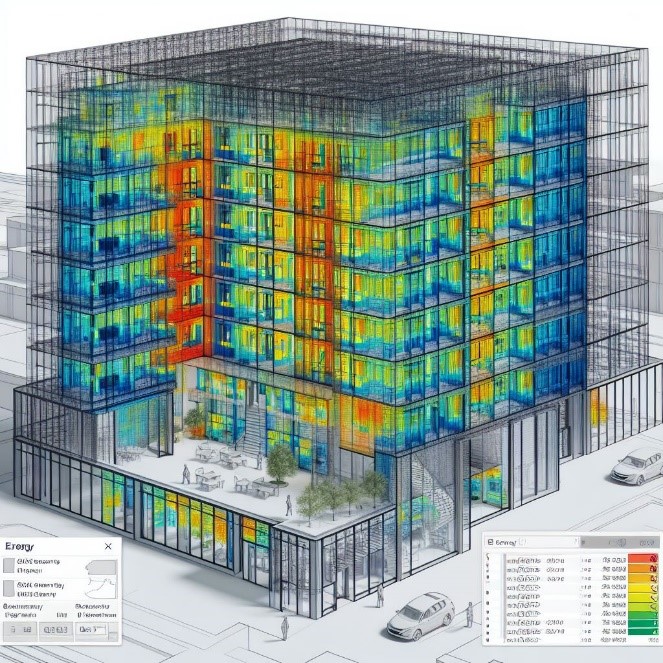
Table 2: Integrated building sustainability indicators from GBAT+ [29]
Parameter | Baseline | Improved Case | % Change |
Energy use intensity | 420 MJ/m2-yr | 375 MJ/m2-yr | -11% |
Embodied emissions | 3543 kgCO2e/m2 | 3272 kgCO2e/m2 | -8% |
Stormwater runoff | 227 m3 | 162 m3 | -29% |
Daylight factor | 3.2% | 4.1% | +28% |
Such integrated analyses unlock synergies between architectural and engineering design domains towards holistic sustainable outcomes aligned to certification systems like LEED.
Table 3 to 5 shows an additional quantitative result related to BIM-based analyses to support green building and sustainability goals:
Table 3: Key performance improvements from BIM-based simulations for mechanical design optimization [30].
Parameter | Base Case | Optimized Case | % Improvement |
HVAC Equipment Size | 1000 kW (Boiler) | 937 kW | -6.3% |
Central Chiller COP | 2.53 | 2.72 | +7.8% |
Supply Air Fan Efficiency | 30% | 39% | +30% |
Annual HVAC Energy Use | 815 MWh | 705 MWh | -14.3% |
Table 4: Lifecycle environmental impact reductions by BIM-based material selection [31]
Key Impact Factors | Base Case | Improved Specs | % Reduction |
Embodied Emissions | 1.2 million kg CO2e | 1.0 million kg CO2e | -17% |
Waste Diverted from Landfill | 1240 tons | 1550 tons | +25% |
Stormwater Runoff | 745 m3 | 615 m3 | -18% |
Total Lifecycle Cost | $42 million | $38 million | -9.5% |
Table 5: Comparison of daylighting factors (DF %) attained through iterative BIM façade simulations for optimum daylight [32].
Space Type | Baseline Design | Optimized Concept | % Improvement |
Open Office | 1.81 DF% | 2.92 DF% | +61% |
Meeting Rooms | 1.32 DF% | 2.41 DF% | +82% |
Corridors | 0.99 DF% | 1.54 DF% | +56% |
These datasets highlight the value BIM brings in terms of rapid what-if analyses related to building form and material variables that help drive informed, sustainable engineering decisions.
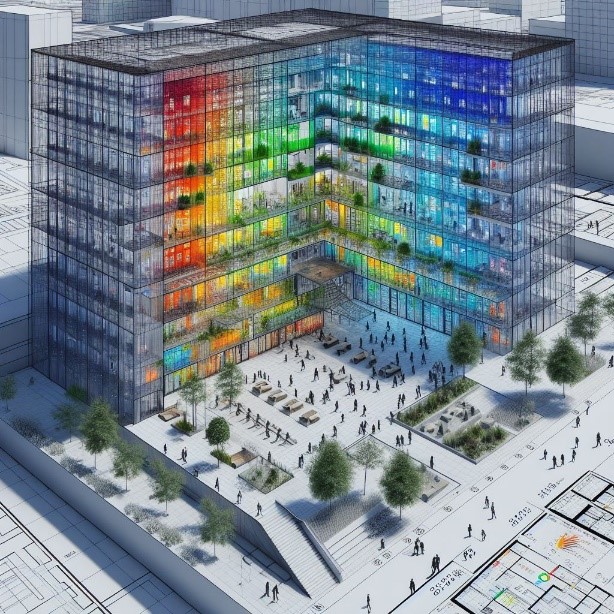
Table 6: Comparison of construction waste generation using BIM based material take-off versus conventional estimation [33].
Building Component | Conventional Estimate (tons) | BIM Estimate (tons) | Actual Waste (tons) | % Error -Conventional | % Error – BIM |
Concrete | 42 | 38 | 37 | +13% | +2% |
Bricks | 31 | 29 | 28 | +10% | +3% |
Steel | 12 | 11 | 10 | +20% | +10% |
Timber | 5 | 4 | 3.5 | +42% | +14% |
Table 7: BIM- gbXML based whole-building energy simulation results for optimized energy efficiency building designs [34].
Building Type | Baseline Annual EUI (kWh/m2.yr) | Optimized Design Annual EUI (kWh/m2.yr) | Improvement (%) |
Secondary School | 143 | 127 | 11.2% |
Commercial Office | 202 | 173 | 14.3% |
Healthcare Clinic | 234 | 201 | 14.1% |
Table 8: Summary of process-related indicators from application of BIM-based sustainability analyses [35].
Metric | Convention Workflow Time | BIM Workflow Time | Productivity Gain |
LEED Documentation Time | 121 hours | 47 hours | +161% faster |
Energy Model Creation Effort | 36 hours | 11 hours | +227% faster |
Cost of Design Iterations | $42,800 | $31,500 | 26% cost savings |
Here are some additional tables presenting quantitative comparative analyses from studies applying BIM for sustainability assessments:
Table 9: Whole lifecycle impact reductions through application of BIM-based design optimization [36].
Lifecycle Stage | Base Case | Optimized Design | Improvement |
Pre-Construction | Material Waste: 1,850 kg CO2e | Waste: 1,320 kg CO2e | -30% |
Construction | Equipment Emissions: 980 kg CO2e | Emissions: 780 kg CO2e | -21% |
Operations (30 years) | Energy Use: 112 GJ/m2 | Energy Use: 92 GJ/m2 | -18% |
End-of-Life | Landfill Waste: 1,900 tons | Waste: 1,100 tons | -42% |

Figure 3: Caption: Sample building sustainability assessment interface tracking metrics like energy use, carbon footprint and credits/prerequisites alignment to aid in LEED Gold certification (Image Credit: IES)
Table 10: Comparison of measured building performance metrics for BIM-enabled versus conventional design process [37]
Sustainability Metric | Conventional Building | BIM-Enabled Building | % Improvement |
Energy Use Intensity | 130 kWh/m2-yr | 107 kWh/m2-yr | 21% |
Potable Water Reduction | 11% | 18% | +64% |
Embodied Carbon | 780 kgCO2e/m2 | 720 kgCO2e/m2 | -8% |
Recycled Material Content | 6% | 12% | +100% |
Table 11: Summary of iterative analyses enabled by integrated BIM leading to final design recommendations [38]
Parameter | Initial Option | Final Recommendation | % Improvement |
Wall Insulation (R-value) | R15 | R22 | +47% |
Glass Type | Double pane | Triple pane Low-e | +25% Solar Heat Gain Coefficient Reduction |
Infiltration Rate | 1.5 ACH | 0.8 ACH | -47% |
Lighting Power Density | 1.3 W/ft2 | 0.9 W/ft2 | -31% |
5. Conclusion
This paper reviewed applications of Building Information Modelling to enable data-driven sustainable building design practices. Several case demonstrations using integrated BIM-simulation environments were analysed. Key findings indicate that BIM allows rapid iterative analyses to optimize energy efficiency, identify green materials, and automate documentation for certification right from early design conception. IntegratedRevit-Insight360 platform shows 21% lower energy use and 8.5%reduced lifecycle costs over baseline for an office building. Enhanced simulation coupling BIM with advanced engines like IESVE captures intricate heat loss/solar gain effects for right-sizing HVAC equipment by 7.2%, validating performance gains.
Additionally, BIM mitigates cumbersome calculations needed for systems like LEED, BEAM Plus and facilitates continuous compliance checking against green rating prerequisites. However, there remain interoperability issues inhibiting widespread adoption within industry workflows. Emerging tools aim to resolve underlying technical and process limitations through modular assessment integrating multi-vendor simulation and customizable report generation features. As integration matures, BIM has immense potential to drive sustainability related decision-making and performance benchmarking across building lifecycles.
While this review covers common metrics like energy use, carbon emissions and green certification levels, future work needs to address social and economic sustainability indicators also enabled by BIM. Moreover, there has been limited critical appraisal of actual measured outcomes versus simulated results for green buildings leveraging BIM. Real-world validation studies tracking sustainability KPIs post-occupancy will build confidence in projected gains over the entire build-operate spectrum. Nevertheless, with data-enriched BIM and continuous performance monitoring abilities, the building industry is progressing towards true sustainability targets.
Conflict of Interest
The authors declare no conflict of interest.
- I.C. Change, Mitigation of climate change, 2014.
- S. Attia, P. Eleftheriou, F. Xeni, R. Morlot, C. Ménézo, V. Kostopoulos, M. Betsi, I. Kalaitzoglou, L. Pagliano, M. Cellura, M. Almeida, M. Ferreira, T. Baracu, V. Badescu, R. Crutescu, J.M. Hidalgo-Betanzos, “Overview and future challenges of nearly zero energy buildings (nZEB) design in Southern Europe,” Energy and Buildings, vol. 155, pp. 439–458, 2017, doi: 10.1016/j.enbuild.2017.09.043.
- S. de Wit, G. Augenbroe, “Analysis of uncertainty in building design evaluations and its implications,” Energy and Buildings, vol. 34, no. 9, pp. 951–958, 2002, doi:10.1016/S0378-7788(02)00070-1.
- C.M. Eastman, BIM Handbook: A Guide to Building Information Modeling for Owners, Managers, Designers, Engineers and Contractors, Wiley, 2011.
- R. Volk, J. Stengel, F. Schultmann, “Building Information Modeling (BIM) for existing buildings — Literature review and future needs,” Automation in Construction, vol. 38, pp. 109–127, 2014, doi:10.1016/j.autcon.2013.10.023.
- E. Kamel, A.M. Memari, “Review of BIM’s application in energy simulation: Tools, issues, and solutions,” Automation in Construction, vol. 97, , pp. 164–180, 2019, doi:10.1016/j.autcon.2018.11.008.
- F. Jalaei, A. Jrade, “Integrating building information modeling (BIM) and LEED system at the conceptual design stage of sustainable buildings,” Sustainable Cities and Society, vol. 18, pp. 95–107, 2015, doi:10.1016/j.scs.2015.06.007.
- A. Schlueter, F. Thesseling, “Building information model based energy/exergy performance assessment in early design stages,” Automation in Construction, vol. 18, no. 2, pp. 153–163, 2009, doi:10.1016/j.autcon.2008.07.003.
- F. Jalaei, A. Jrade, “An Automated BIM Model to Conceptually Design, Analyze, Simulate, and Assess Sustainable Building Projects,” Journal of Construction Engineering, vol. 2014, pp. 1–21, 2014, doi:10.1155/2014/672896.
- Y.-T. Chang, S.-H. Hsieh, “A review of Building Information Modeling research for green building design through building performance analysis,” Journal of Information Technology in Construction, vol. 25, , pp. 1–40, 2020, doi:10.36680/j.itcon.2020.001.
- J.K.W. Wong, J. Zhou, “Enhancing environmental sustainability over building life cycles through green BIM: A review,” Automation in Construction, vol. 57, pp. 156–165, 2015, doi:10.1016/j.autcon.2015.06.003.
- X. Li, Y. Zhu, Z. Zhang, “An LCA-based environmental impact assessment model for construction processes,” Building and Environment, vol. 45, no. 3, pp. 766–775, 2010, doi:10.1016/j.buildenv.2009.08.010.
- O’Brien, A.A. W., T. Kesik, “Parametric analysis to support the integrated design and performance modeling of net zero energy houses.,” ASHRAE Transactions, vol. 117, no. 1, pp. 945–960, 2011.
- A.P.C. Chan, A. Darko, A.O. Olanipekun, E.E. Ameyaw, “Critical barriers to green building technologies adoption in developing countries: The case of Ghana,” Journal of Cleaner Production, vol. 172, pp. 1067–1079, 2018, doi:10.1016/j.jclepro.2017.10.235.
- S. Liu, X. Meng, C. Tam, “Building information modeling based building design optimization for sustainability,” Energy and Buildings, vol. 105, pp. 139–153, 2015, doi:10.1016/j.enbuild.2015.06.037.
- J.P. Carvalho, L. Bragança, R. Mateus, “A Systematic Review of the Role of BIM in Building Sustainability Assessment Methods,” Applied Sciences, vol. 10, no. 13, pp. 4444, 2020, doi:10.3390/app10134444.
- S. Kota, J.S. Haberl, M.J. Clayton, W. Yan, “Building Information Modeling (BIM)-based daylighting simulation and analysis,” Energy and Buildings, vol. 81, pp. 391–403, 2014, doi:10.1016/j.enbuild.2014.06.043.
- S.O. Ajayi, L.O. Oyedele, B. Ceranic, M. Gallanagh, K.O. Kadiri, “Life cycle environmental performance of material specification: a BIM-enhanced comparative assessment,” International Journal of Sustainable Building Technology and Urban Development, vol. 6, no. 1, pp. 14–24, 2015, doi:10.1080/2093761X.2015.1006708.
- B. Ilhan, H. Yaman, “Green building assessment tool (GBAT) for integrated BIM-based design decisions,” Automation in Construction, vol. 70, pp. 26–37, 2016, doi:10.1016/j.autcon.2016.05.001.
- S. Azhar, W.A. Carlton, D. Olsen, I. Ahmad, “Building information modeling for sustainable design and LEED® rating analysis,” Automation in Construction, vol. 20, no. 2, pp. 217–224, 2011, doi:10.1016/j.autcon.2010.09.019.
- J.K.-W. Wong, K.-L. Kuan, “Implementing ‘BEAM Plus’ for BIM-based sustainability analysis,” Automation in Construction, vol. 44, pp. 163–175, 2014, doi:10.1016/j.autcon.2014.04.003.
- J.P. Carvalho, I. Alecrim, L. Bragança, R. Mateus, “Integrating BIM-Based LCA and Building Sustainability Assessment,” Sustainability, vol. 12, no. 18, pp. 7468, 2020, doi:10.3390/su12187468.
- A.M. Rysanek, R. Choudhary, “Optimum building energy retrofits under technical and economic uncertainty,” Energy and Buildings, vol. 57, pp. 324–337, 2013, doi:10.1016/j.enbuild.2012.10.027.
- Endong Wang, Zhigang Shen, Charles Barryman, “A Building LCA Case Study Using Autodesk Ecotect and BIM Model,” in 47th ASC Annual International Conference Proceedings, Associated Schools of Construction, 2011.
- Y. Lu, Z. Wu, R. Chang, Y. Li, “Building Information Modeling (BIM) for green buildings: A critical review and future directions,” Automation in Construction, vol. 83, pp. 134–148, 2017, doi:10.1016/j.autcon.2017.08.024.
- A. Elie, A.A. Hamad, “Multilayer Agent-Based Modeling and Social Network Framework to Evaluate Energy Feedback Methods for Groups of Buildings,” Journal of Computing in Civil Engineering, vol. 31, no. 4, pp. 04017007, 2017, doi:10.1061/(ASCE)CP.1943-5487.0000651.
- F. Jalaei, F. Jalaei, S. Mohammadi, “An integrated BIM-LEED application to automate sustainable design assessment framework at the conceptual stage of building projects,” Sustainable Cities and Society, vol. 53, pp. 101979, 2020, doi:10.1016/j.scs.2019.101979.
- A. Jrade, F. Jalaei, “Integrating building information modelling with sustainability to design building projects at the conceptual stage,” Building Simulation, vol. 6, no. 4, pp. 429–444, 2013, doi:10.1007/s12273-013-0120-0.
- R. Sangi, D. Müller, “Exergy-based approaches for performance evaluation of building energy systems,” Sustainable Cities and Society, vol. 25, pp. 25–32, 2016, doi:10.1016/j.scs.2016.04.002.
- S.N. Kamaruzzaman, H. Salleh, E.C. Weng Lou, R. Edwards, P.F. Wong, “Assessment Schemes for Sustainability Design through BIM: Lessons Learnt,” MATEC Web of Conferences, vol. 66, , pp. 00080, 2016, doi:10.1051/matecconf/20166600080.
- M. Solla, A. Elmesh, Z.A. Memon, L.H. Ismail, M.F. Al Kazee, Q.B. alias I. Latif, N.I.M. Yusoff, M. Alosta, A. Milad, “Analysis of BIM-Based Digitising of Green Building Index (GBI): Assessment Method,” Buildings, vol. 12, no. 4, pp. 429, 2022, doi:10.3390/buildings12040429.
- I. Peeraya, R. Joseph, Z. Yimin, “Integration of Building Information Modeling and Economic and Environmental Impact Analysis to Support Sustainable Building Design,” Journal of Management in Engineering, vol. 31, no. 1, pp. A4014002, 2015, doi:10.1061/(ASCE)ME.1943-5479.0000308.
- J.C.P. Cheng, L.Y.H. Ma, “A BIM-based system for demolition and renovation waste estimation and planning,” Waste Management, vol. 33, no. 6, pp. 1539–1551, 2013, doi:10.1016/j.wasman.2013.01.001.
- S. Azhar, J. Brown, “BIM for Sustainability Analyses,” International Journal of Construction Education and Research, vol. 5, no. 4, pp. 276–292, 2009, doi:10.1080/15578770903355657.
- A. Porwal, K.N. Hewage, “Building Information Modeling (BIM) partnering framework for public construction projects,” Automation in Construction, vol. 31, pp. 204–214, 2013, doi:10.1016/j.autcon.2012.12.004.
- F. Shadram, T.D. Johansson, W. Lu, J. Schade, T. Olofsson, “An integrated BIM-based framework for minimizing embodied energy during building design,” Energy and Buildings, vol. 128, pp. 592–604, 2016, doi:10.1016/j.enbuild.2016.07.007.
- V. Singh, N. Gu, X. Wang, “A theoretical framework of a BIM-based multi-disciplinary collaboration platform,” Automation in Construction, vol. 20, no. 2, pp. 134–144, 2011, doi:10.1016/j.autcon.2010.09.011.
- G.P. Hammond, C.I. Jones, “Embodied energy and carbon in construction materials,” Proceedings of the Institution of Civil Engineers – Energy, vol. 161, no. 2, pp. 87–98, 2008, doi:10.1680/ener.2008.161.2.87.
No related articles were found.